Dealerships That Rollover Negative Equity in Dayton, Ohio: What to Know Before You Trade
- October 7, 2026
- Dayton, Dealership Ohio
- Posted by LukeS
- Comments Off on Dealerships That Rollover Negative Equity in Dayton, Ohio: What to Know Before You Trade
 You’re driving a car you don’t love anymore, or maybe one that doesn’t fit your life anymore. The family grew, the commute changed, or the repair bills started showing up. You look up your loan balance and your stomach drops. You owe more than the car is worth.
First, take a breath. You are not alone, and it’s not a dead end. If you’ve been searching for dealerships that rollover negative equity in Dayton, Ohio, here’s the real answer: it’s often possible, but how you do it matters a lot. Let’s walk through it.
What Negative Equity Actually Means
Negative equity just means you owe more on your loan than the vehicle is worth today. People also call it being “underwater” or “upside down.”
Here’s a simple example. Say you owe $25,000, but your trade-in is worth $19,000. That $6,000 gap is your negative equity. With a regular trade, the dealership pays off your old loan, and that $6,000 has to go somewhere: out of your pocket, or into your next loan.
Putting it into the next loan is what people mean by “rolling over” negative equity.
Why So Many Drivers Are Underwater Right Now
It’s not that people are making bad choices. A few things have lined up against buyers.
Loan terms keep getting longer. Not long ago, 60 months was the standard. Now 72 and 84-month loans are common, and we’ve seen terms stretch to 90 months. A longer loan means a lower monthly payment, which feels great at the signing table. But it also means you pay down the balance slowly, while the car loses value faster than you’re paying it off.
Prices are higher, so loans are bigger. A bigger loan takes longer to catch up with what the vehicle is worth.
Small down payments and fast depreciation. Most vehicles lose the most value in the first few years. If you put little or nothing down, you can be upside down almost from day one.
The numbers back this up. Edmunds’ second-quarter 2026 report found that nearly 30 percent of trade-ins toward new vehicles had negative equity, and the average amount owed was $6,884. That’s a record for a second quarter. It also showed that buyers rolling negative equity into a new loan paid an average of $944 a month, compared with $777 for the typical buyer.
And this isn’t just a problem for cars that lose value quickly. Popular trucks and SUVs show up on that list too. The Ram 1500 and Jeep Wrangler, for example, were among the trade-ins carrying the most negative equity, with averages in the high $7,000s to low $8,000s. So if you’re driving a truck or Jeep around Dayton and you’re underwater, that’s a very common situation.
Can a Dealership Roll Over Your Negative Equity?
Yes, in many cases. But I’m going to be straight with you, because you deserve that: it’s not automatic, and it’s not always the right move.
Whether it works depends on a few things:
- How much negative equity you have. A few thousand dollars is usually a lot easier to work with than a gap of $15,000.
- The vehicle you’re buying. The lender looks at how much you’re borrowing compared with what the new vehicle is worth.
- Your credit and income. These affect which lenders will approve the deal and what rate you’ll get.
- Your down payment. Putting some money down, even a modest amount, can open up more options.
Every lender has its own rules, so there’s no single answer that applies to everyone. That’s actually one reason it helps to work with a dealership that has relationships with a bunch of different lenders. At Paul Sherry, our finance team works with a range of lenders to find options for people in all kinds of credit situations, including bad credit and no credit. Approval is based on lender criteria, so we can’t promise a result before we see your numbers. But we’ll tell you honestly what we see.
The Catch You Should Know About
 Rolling over negative equity is a tool, not a free pass. When you add old debt to a new loan, you’re borrowing more than the new vehicle is worth. That means:
- Your payment goes up, since you’re financing more.
- You pay interest on the old debt for years to come.
- You may start out upside down again, which can make your next trade harder.
That doesn’t mean you should never do it. Sometimes it’s the smartest move, like when your current car is costing you a fortune in repairs, or you’ve outgrown it and need something safer and more reliable. The key is going in with your eyes open and a plan to climb back out.
Smart Ways to Make a Negative Equity Trade Work
If you’re thinking about trading in your underwater vehicle, here are some ways to put yourself in a better spot.
1. Find out your real numbers first. Call your lender and ask for your payoff amount. Then get a trade-in value for your vehicle. The difference is what you’re working with. You can start that process with our trade-in and appraisal page. We’ll take your vehicle in whatever shape it’s in and give you a fair value.
2. Consider a less expensive vehicle. Moving into something with a lower price tag keeps the new loan manageable, even with the old balance added in. We keep a steady supply of quality pre-owned vehicles at lower price points, and our post on finding an affordable used car in Piqua is a good place to start if that’s the route you want to try.
3. Put something down if you can. Even a small down payment can reduce how much you need to finance and help the lender feel comfortable with the deal.
4. Look at incentives. Manufacturer rebates and bonus cash can help offset some of that negative equity. We update our current offers regularly, so ask what’s available on the model you like.
5. Choose a shorter term when it fits your budget. A longer loan gives you a lower payment, but it keeps you underwater longer. If you can handle a slightly higher payment on a shorter term, you’ll build equity faster.
6. Think about waiting. If your car is running fine and you’re only a few payments away from being even, holding on a little longer might save you real money. We’d rather you hear that from us than find out later.
Serving Dayton and the Miami Valley
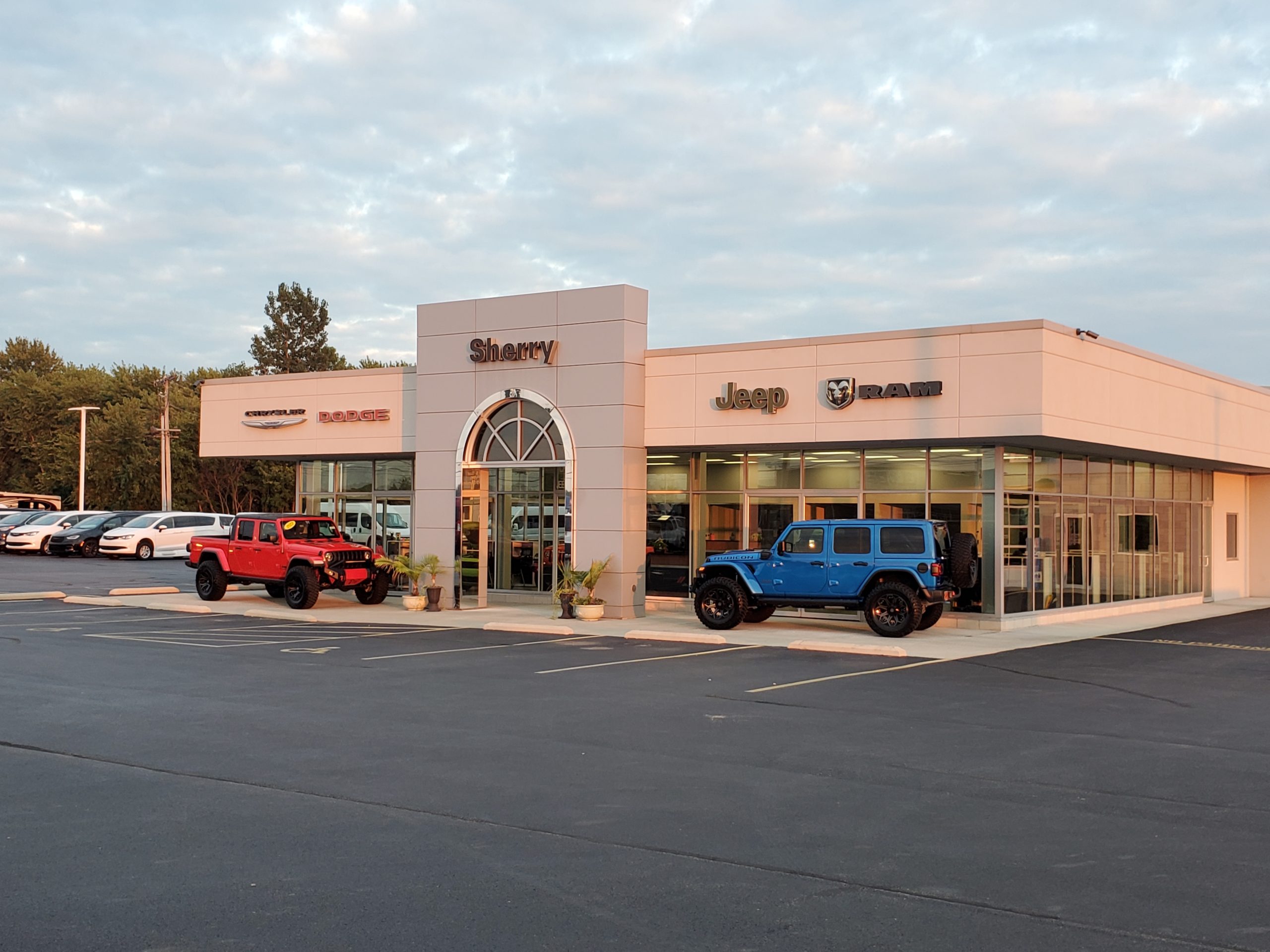
We’re based in Piqua, just up I-75 from Dayton, and we work with drivers all over the area, including Troy, Sidney, Tipp City, Huber Heights, Vandalia, and Dayton itself. Plenty of our customers come in with a trade that’s underwater, and we handle those situations every week. No judgment, no lectures. Just a clear look at what your options are.
Ready to See Where You Stand?
If you want to know whether trading in your vehicle makes sense right now, the easiest first step is to get your numbers on the table. You can start with a finance application, or just stop by the dealership and talk it through with our team. We’ll look at your payoff, your trade value, and what you want in your next vehicle, then give you an honest read on whether rolling over negative equity is a smart move or whether there’s a better path.
Either way, you’ll know exactly where you stand.