RAM Truck Towing Capacity Guide
- August 26, 2025
- RAM, RAM Trucks
- Posted by Hannah
- Comments Off on RAM Truck Towing Capacity Guide
Need to haul a boat? Tow your camper to Yellowstone? Move some heavy equipment? Then you’re probably wondering what a RAM truck can actually pull. The specs get pretty confusing when you start digging into different engines and configurations, so we figured we’d break it all down for you.
We sell a lot of RAM trucks here at Sherry Chrysler, and towing capacity comes up in just about every conversation. Some folks need to pull 5,000 pounds occasionally, others are hauling 30,000 pounds every day for work. The trick is matching your truck to what you’re actually doing, not just buying the biggest one you can find.
RAM 1500: Good for Most People
The 1500 handles what most folks need to tow without getting into the heavy-duty world. You’re looking at anywhere from about 7,700 pounds up to 12,750 pounds, depending on how it’s set up.
What Engine You Pick Matters
 The 3.6L V6 Can pull up to 7,730 pounds. Perfect for smaller boats, utility trailers, maybe a lightweight camper. Not bad for a V6, honestly.
The 5.7L HEMI V8 This one can handle up to 12,750 pounds. Now we’re talking – mid-sized travel trailers, bigger boats, equipment trailers. This is probably what most people should get.
The 3.0L EcoDiesel V6 Pulls up to 12,560 pounds, and you’ll get way better fuel mileage doing it. Great for long trips where you don’t want to stop for gas every 200 miles.
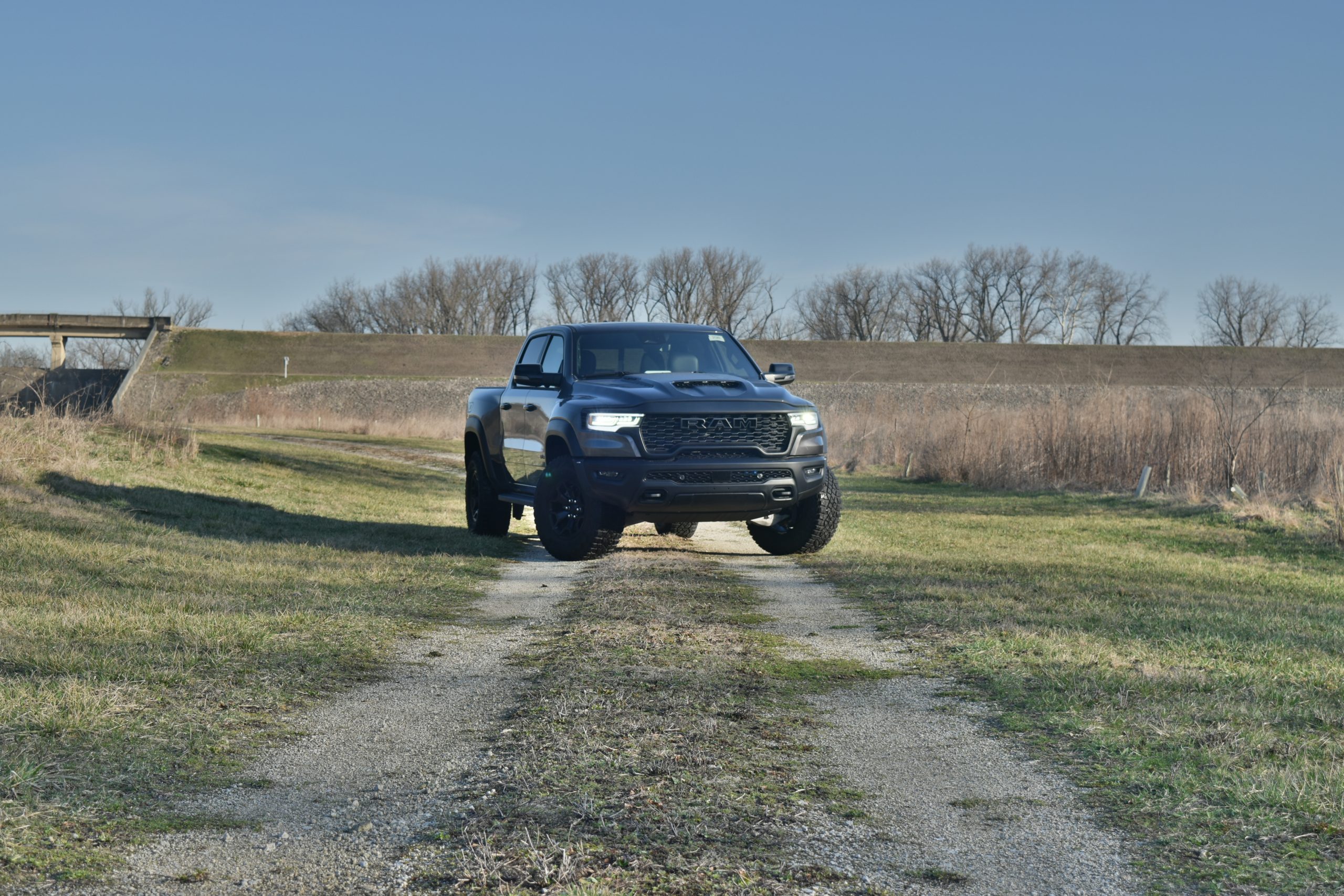
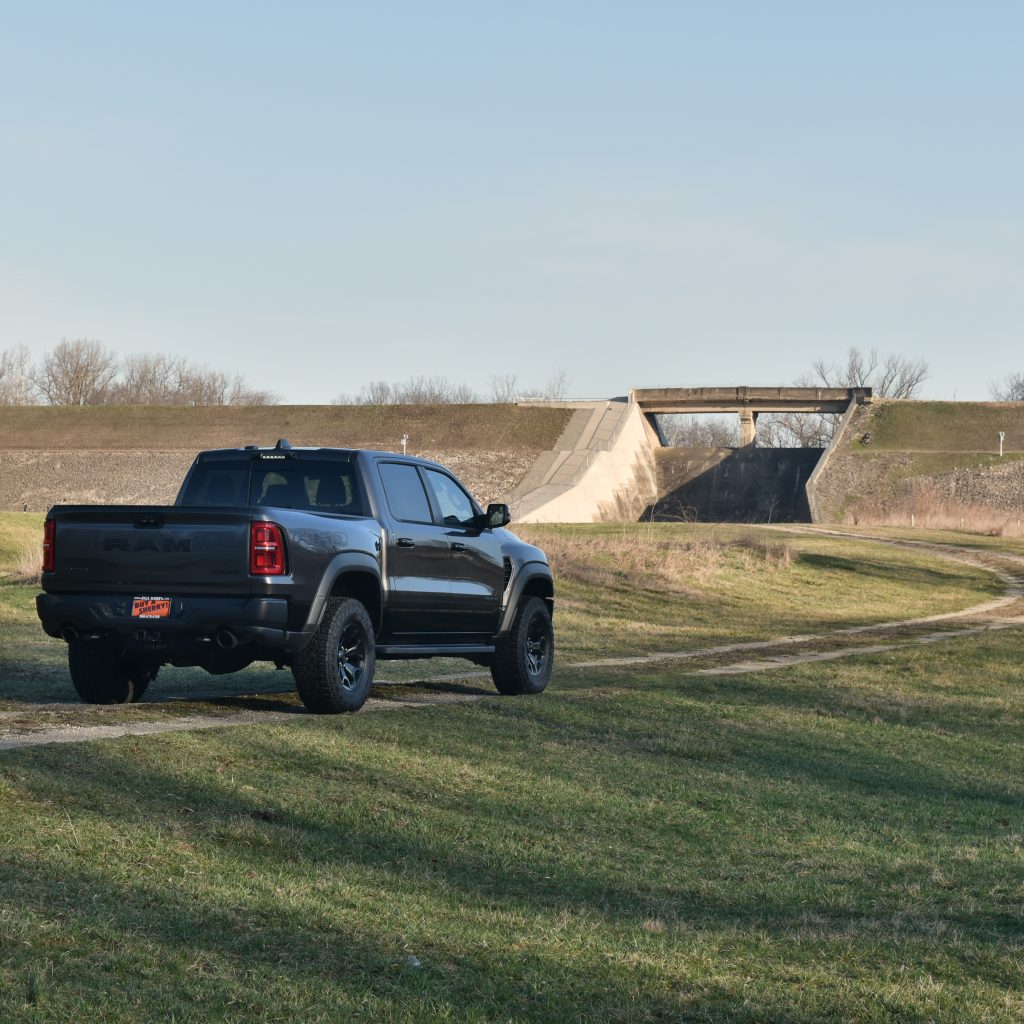
The TRX 6.2L Supercharged HEMI V8 Here’s where it gets weird – this 700+ horsepower monster only tows 8,100 pounds. Why? Because it’s built for going fast, not pulling heavy stuff. Cool truck, but probably not what you want for serious towing.
The thing about 1500 towing numbers is they change a lot based on your exact truck. Crew cab with the towing package and right axle ratio? You can hit those max numbers. Regular cab work truck? Probably less.
What Changes Those Numbers
Your cab and bed setup makes a difference. Regular cab long bed trucks usually tow more than crew cab short bed ones. The axle ratio matters too – higher numbers like 3.92 give you more pulling power but hurt your gas mileage.
Don’t forget about payload either. That tongue weight has to come from somewhere, and if you’ve got the truck loaded with people and stuff, there’s less capacity left over.
RAM 2500: Getting Serious
This is where RAM starts building trucks for people who actually work for a living. The 2500 is designed for regular heavy use, not just weekend trips.
The 6.4L HEMI V8 Pulls up to 17,540 pounds. Construction equipment, horse trailers, big travel trailers – this engine handles it.
The 6.7L Cummins Turbo Diesel Up to 20,000 pounds. Same basic engine as the 3500, but the truck setup limits it a bit. Still plenty for most commercial work.
The diesel makes sense if you’re towing regularly. Better fuel economy under load, and Cummins engines run forever if you take care of them.
RAM 3500: When You Need Everything
Need to tow something really heavy? The 3500 is built for maximum capability. These aren’t really daily driver trucks – they’re work vehicles first.
The 6.4L HEMI V8 Can pull up to 18,210 pounds. Solid for heavy equipment and construction trailers.
The 6.7L Cummins Turbo Diesel Here’s the big number – up to 37,090 pounds with a fifth-wheel setup. That’s approaching semi-truck territory.
But here’s the catch: that huge number only works with fifth-wheel or gooseneck hitching. Regular trailer hitch towing maxes out around 23,000 pounds. Still impressive, but way less than the headline number.
Single Wheels vs. Dually
You can get the 3500 with regular single rear wheels or dual rear wheels (dually). Single wheels are easier to drive daily and fit in normal parking spaces. Duallies are more stable with heavy loads and can tow more weight, but they’re wider and harder to maneuver.
If you’re actually using the maximum towing capacity, you probably want the dually. If you’re towing 15,000 pounds occasionally, single wheels might be fine.
RAM’s Towing Tricks
RAM puts some useful towing tech in these trucks:
The integrated trailer brake controller is way better than the aftermarket add-on ones. You can adjust it from the cab, and it actually talks to your truck’s computer system.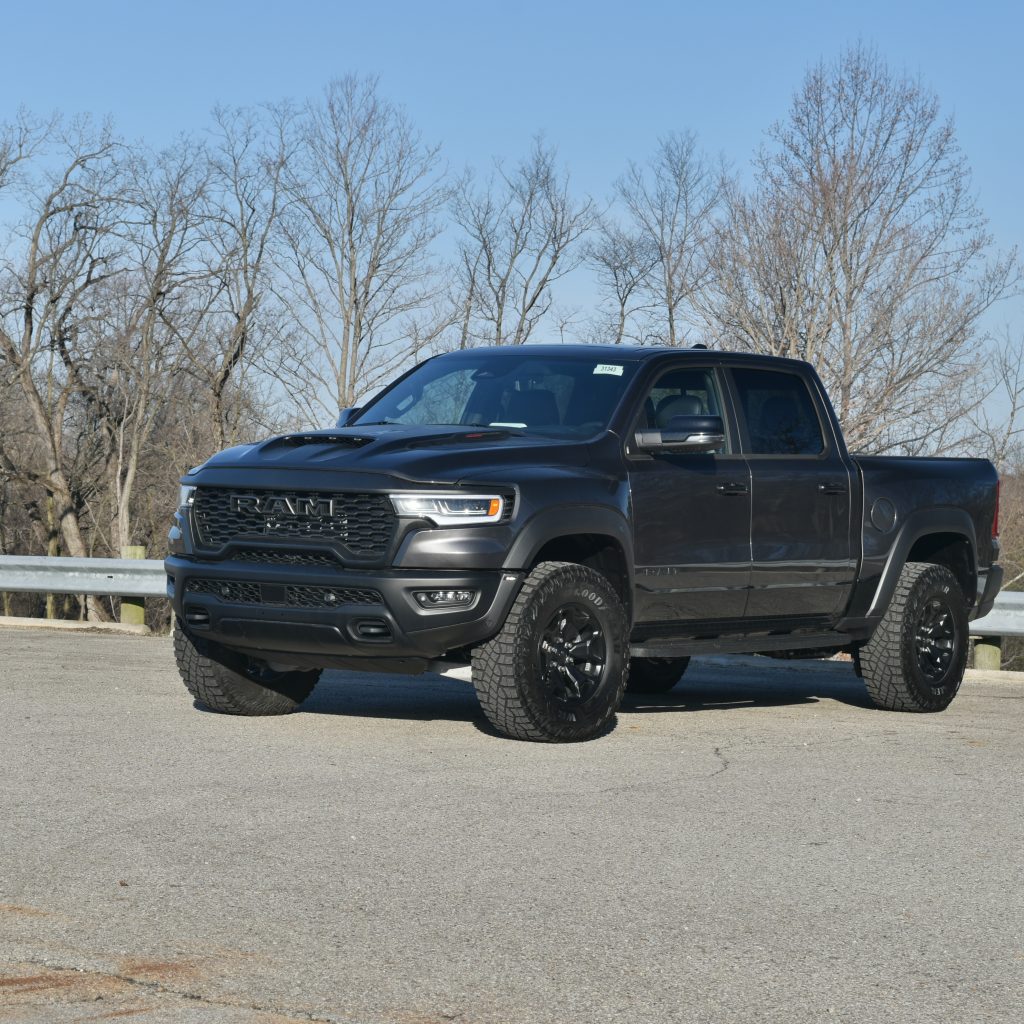
Trailer reverse guidance helps you back up to your trailer. Uses the backup camera to show you where you’re going and can even spot the trailer tongue.
Higher trim trucks can monitor your trailer’s tire pressure and let you know if something’s going wrong before you have a blowout.
The fifth-wheel prep package is worth getting if you think you might add a bed-mounted hitch later. Much easier to install the mounting points at the factory than cut holes in your truck bed afterward.
Some trucks also get cargo cameras so you can check your hitch connection without walking back there, and surround view cameras that help when you’re trying to navigate tight spaces with a trailer.
What Those Numbers Really Mean
Manufacturer towing ratings look good on paper, but real life is more complicated. Those maximum numbers assume perfect conditions with specific equipment.
Your trailer’s tongue weight counts against your truck’s payload capacity. A 10,000-pound trailer might put 1,200 pounds on your hitch. If your truck can only carry 1,500 pounds of payload total, you’re pretty much maxed out before adding passengers or cargo.
The Gross Combined Weight Rating (GCWR) is another limit you might hit before the maximum trailer weight. This is your loaded truck plus loaded trailer combined.
Your exact truck setup makes a difference too. Crew cab short bed trucks typically can’t tow as much as regular cab long bed trucks with the same engine.
Which RAM Makes Sense?
Get a RAM 1500 if: You tow on weekends and vacations, not every day. Your trailers weigh less than 10,000 pounds. You want decent fuel economy for daily driving. You don’t need a commercial-grade truck.
Get a RAM 2500 if: Towing is part of your regular routine. Your loads are in the 10,000-18,000 pound range. You want heavy-duty capability but don’t need the biggest truck available. You like the idea of the Cummins diesel for long trips.
Get a RAM 3500 if: Towing is literally your job. You regularly pull over 20,000 pounds. You need maximum stability with huge fifth-wheel trailers. Your work requires commercial-grade everything.
Don’t Push Your Luck
Just because your truck is rated for 12,000 pounds doesn’t mean you should load up 12,000 pounds and hit the road. Staying 10-20% below the maximum gives you some breathing room and keeps your truck happier longer.
Mountain driving changes everything. What pulls fine on flat Interstate won’t necessarily make it over the Rockies without overheating or struggling.
Your payload capacity includes everything – passengers, cargo, tongue weight. Load up a crew cab with people and gear, and you might not have much capacity left for trailer tongue weight.
Any trailer over about 3,000 pounds should have its own brakes. Trying to stop everything with just your truck’s brakes is asking for trouble.
Making Your RAM Tow Better
Get the right equipment: Weight distribution hitches help with trailers over 5,000 pounds. Transmission coolers keep your transmission from overheating. Extended mirrors let you see around wide trailers (and they’re required by law in some places).
Take care of your truck: Towing is hard on vehicles. Change your oil more often. Keep an eye on transmission fluid. Make sure your cooling system is clean. Check your brakes regularly.
Real-World Examples
To put these numbers in perspective:
- 7,000-8,000 pounds: Mid-sized travel trailers, bigger boats, loaded equipment trailers
- 12,000-15,000 pounds: Large travel trailers, horse trailers, small construction equipment
- 20,000+ pounds: Big fifth-wheel RVs, heavy equipment, serious commercial work
- 30,000+ pounds: Huge RVs, loaded trailers (might need a CDL at this point)
The Bottom Line
RAM builds some of the most capable trucks you can buy. The 1500 works for most people’s needs. The 2500 and 3500 are for folks who have serious work to do.
The key is being honest about what you actually need to tow, not what you might need to tow someday. A properly equipped RAM 1500 might serve you better than a base model 2500 if you’re not pushing the limits.
We keep plenty of RAM trucks on the lot, and we can help you figure out what makes sense for your situation. Whether you’re pulling a fishing boat or running a construction company, we’ll set you up with something that handles your loads without breaking a sweat.
Got questions about towing capacity? Call us at (937) 778-0830. We like talking trucks, and we can probably answer whatever you’re wondering about.